 Cart
Cart Sign In/ Sign Up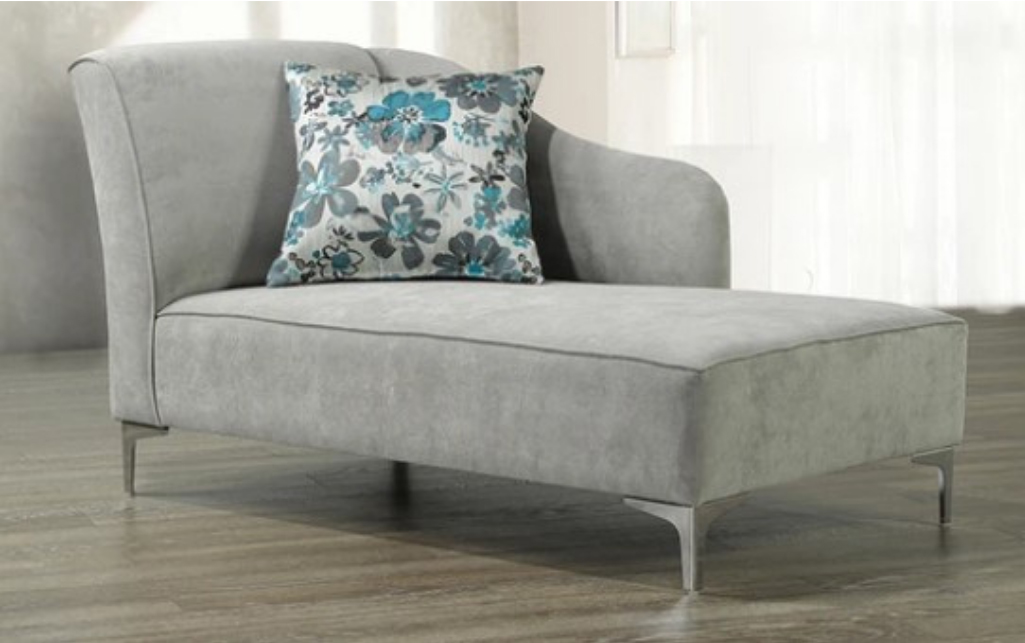
August 14, 2026
The Best Furniture to Rent for a Furnished Basement Suite in Toronto
Call Now: 416.785.0932

Close
The best furniture to rent for a furnished basement suite in Toronto includes a quality bed frame and mattress, a sofa and seating set, a dining table and chairs, and practical storage pieces like dressers and shelving. We’ve been helping Toronto homeowners furnish their suites quickly and affordably since 1959 — renting instead of buying means zero large upfront cost, free delivery and setup, and flexible terms that fit right around your lease start date.
If you’re scrambling to get a basement unit ready before September 1 — the single busiest tenant-turnover date in Toronto — you’re not alone. And you don’t need to panic-buy from a big-box store and haul furniture down a narrow staircase yourself. We can have your suite fully furnished in days.
The Toronto rental market has made furnished suites significantly more attractive to landlords over the last few years. A well-furnished basement unit in the GTA now commands roughly $400 to $600 more per month than the same space offered empty. For a landlord, that premium adds up to $4,800 to $7,200 in extra annual revenue — often from the same square footage they already own.
The tenant pool is part of the reason. International students, young professionals arriving from other cities, new Canadians, and corporate relocators all share one thing in common: they don’t want to deal with buying furniture when they land in Toronto. They’ll pay more for a suite that’s move-in ready on day one. A furnished suite also tends to attract shorter-term, higher-quality tenants who treat a unit more like a hotel than a long-term residence — which typically means better upkeep.
The challenge for landlords has always been the upfront investment. Buying a full bedroom set, a living room setup, and dining furniture from a mid-range retailer can run $5,000 to $10,000 before you’ve touched delivery fees or assembly. And if the furniture takes a beating over a few tenancy cycles, you’re looking at replacing it out of pocket. Renting sidesteps all of that risk — we handle delivery, setup, and any mid-tenancy swaps, and the cost comes out of monthly cash flow rather than a lump-sum capital spend.
Every basement suite is different, but the furniture needs follow a pretty consistent pattern. Here’s what we recommend, room by room, based on decades of furnishing suites across Toronto and the GTA.
The bedroom is where tenants form their first impression of a furnished suite — and where the quality of your furnishings gets judged most directly. A good mattress is non-negotiable. It’s the single item tenants notice most, and a substandard one is the fastest way to earn a bad review or have a tenant not renew. We provide proper quality mattresses, not the thin foam alternatives that cut corners on comfort.
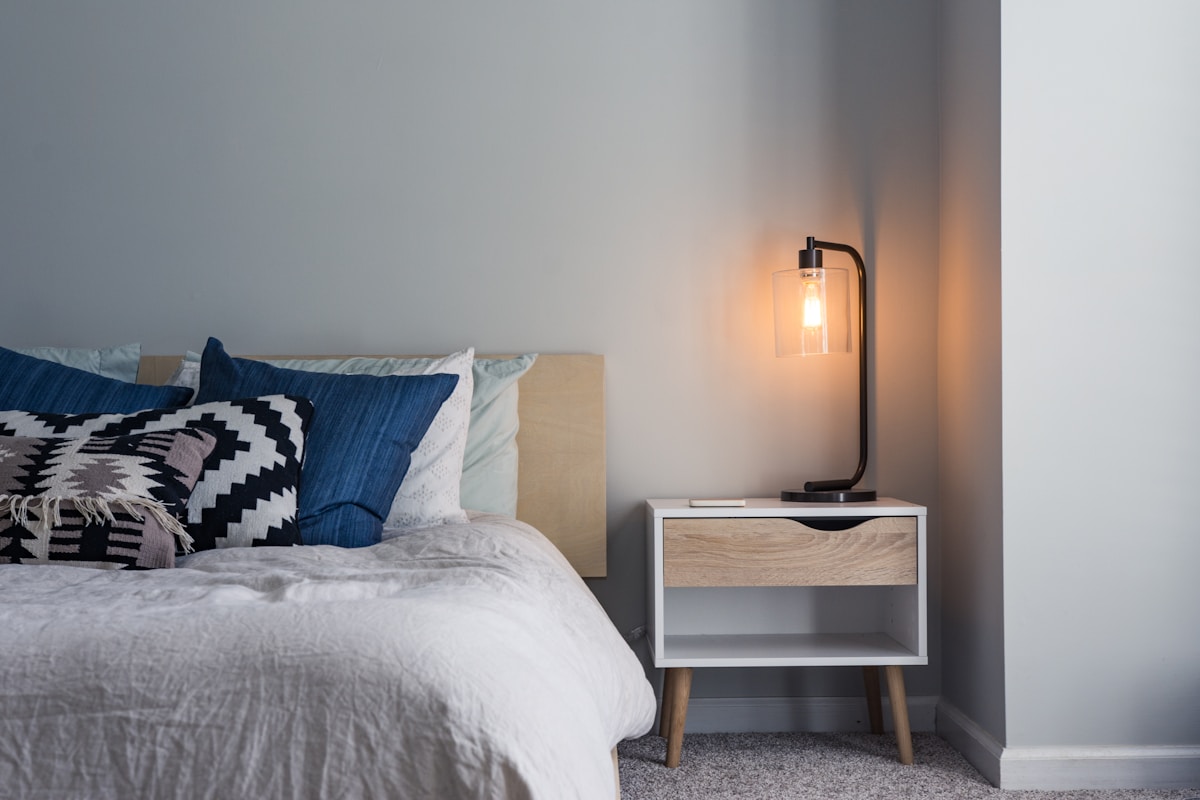
For the rest of the bedroom, we typically recommend a bed frame (queen is the standard for most Toronto basement bedrooms), a dresser with mirror, two bedside tables, and a lamp or two. That’s the essential package. If space allows, a small desk or vanity can add meaningful value — many tenants working from home or studying will pay more for a suite that has even a modest work surface in the bedroom.
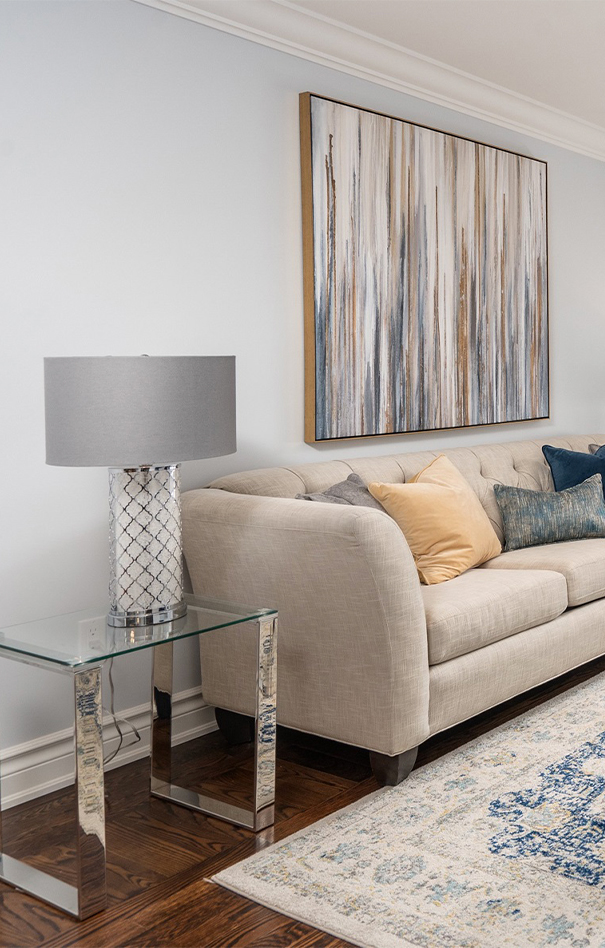
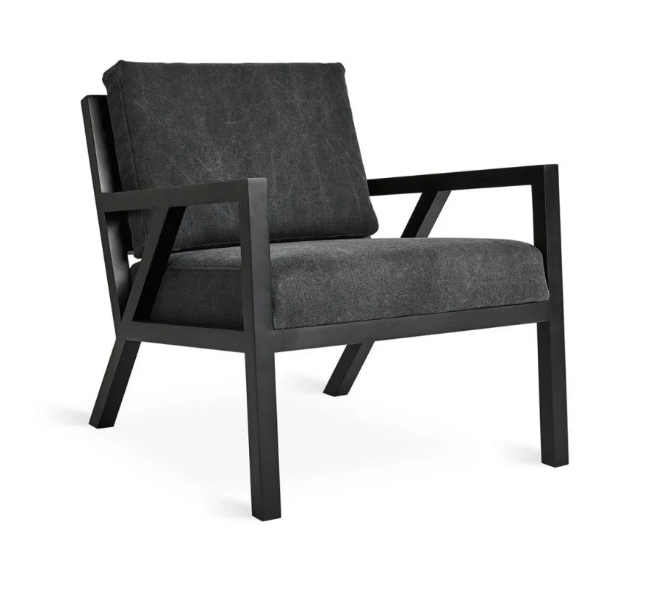
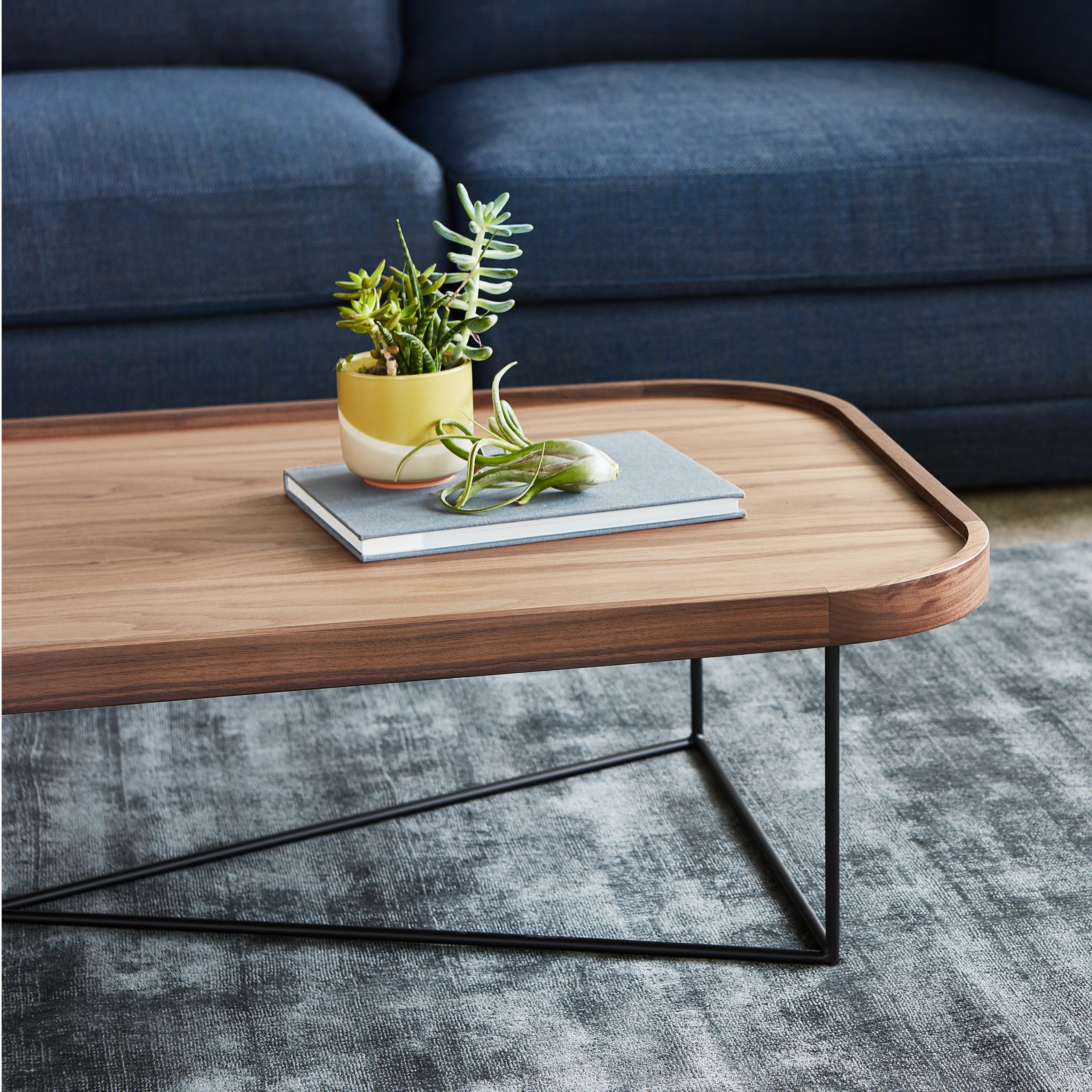
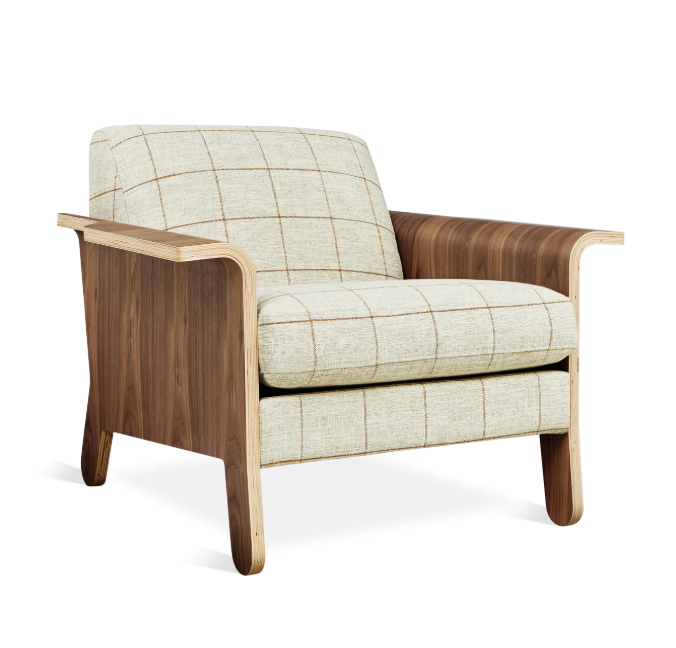
Toronto basement suites tend to run compact — often 400 to 700 square feet for the whole unit. That means the living room is usually working with limited floor space, and furniture size matters a lot. A large sectional sofa that looks great in a showroom will overwhelm a typical basement living area. We help landlords choose appropriately scaled pieces: usually a three-seater sofa or a loveseat plus an accent chair, a coffee table, and a TV stand.
For bachelor-style suites with no separate bedroom, a sofa bed is worth considering. It does double duty as the sleeping area and keeps the living space functional during the day. We carry sofa beds that are actually comfortable — not the fold-out-and-feel-the-bar variety — which matters when a tenant is using it as their primary bed.
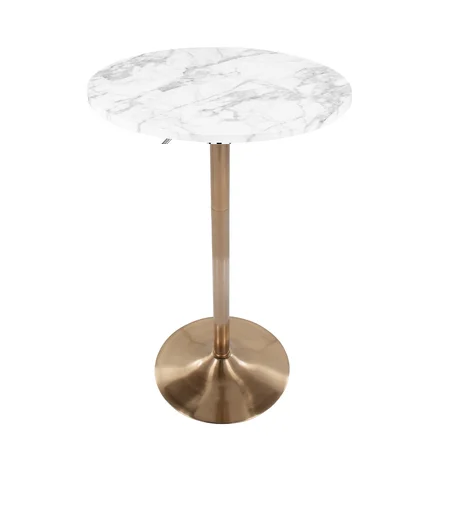
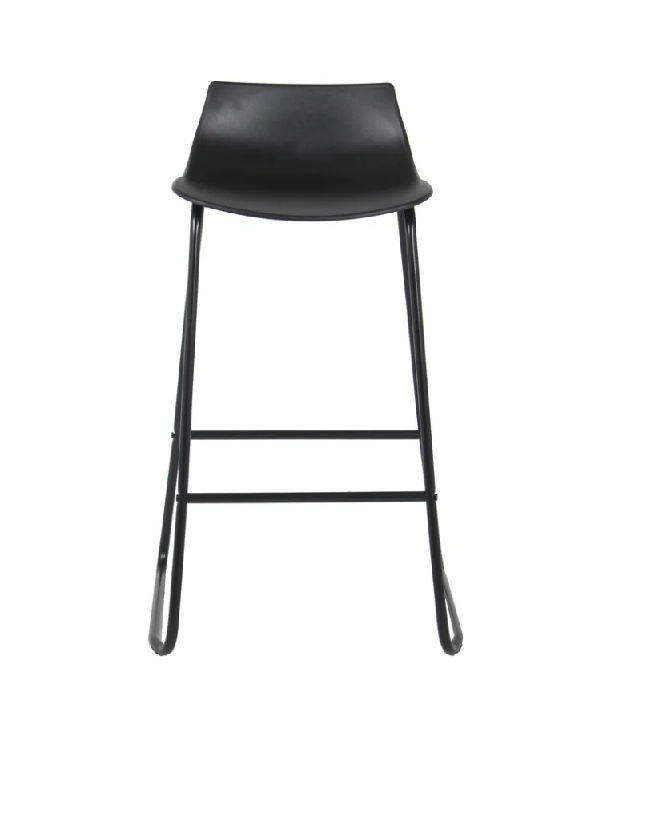
A small dining table and four chairs is the baseline for most basement suites. You don’t need anything elaborate — a simple, clean four-seat setup that doesn’t eat up too much floor space. In suites with lower ceilings (a common feature of older Toronto bungalows converted to rentals), a bar-height table with stools can actually feel more spacious than a standard-height table and chairs. It draws the eye upward and makes a low-ceiling space feel less closed in.
Round tables also work well in compact suites. They’re easier to navigate around and they tend to feel friendlier and less rigid than rectangular options in small rooms.
Tenants moving into a furnished suite rarely bring their own storage furniture — they’re usually travelling light by design. A dresser in the bedroom helps, but the living space benefits from a few additional storage pieces too: an open bookshelf, a TV unit with storage drawers, or a simple entry bench with hooks for coats and bags.
These finishing pieces are easy to underestimate, but they make a real difference to how liveable the suite feels. A unit that looks furnished but has nowhere to put things — no hooks, no shelves, no surface space — feels incomplete to a prospective tenant touring it. Filling those gaps doesn’t cost much, but it closes the deal.
Small appliances — microwaves, coffee makers, toasters — are generally considered the tenant’s domain in Toronto, even in fully furnished suites. You’re not expected to provide them, and most tenants prefer to bring their own. Similarly, bedding, towels, and kitchenware fall into the “fully furnished” category rather than “furnished,” and the distinction matters: fully furnished suites command even higher rents, but they also mean more things to track, replace, and launder between tenancies.
For most landlords renting on a standard one-year lease, furniture only (not bedding or kitchenware) is the right call. It simplifies the arrangement and still lets you market the unit as furnished. When Umberto approves this brief in a follow-up session, we can discuss what level of furnishing makes sense for your specific situation.
Let’s look at what furnishing a typical Toronto basement suite actually costs if you go the buying route. A queen bed frame and mattress from a mid-range retailer: $900 to $1,500. A sofa: $800 to $1,400. Dining table and four chairs: $500 to $900. Dresser, bedside tables, coffee table, TV stand: another $600 to $1,000. Add delivery fees, assembly costs, and the fact that most retailers won’t do in-suite placement — you’re looking at $3,500 to $7,000 before the suite is ready, plus hours of your weekend.
With renting, those costs become a predictable monthly line item. More importantly, there’s a time argument that’s easy to overlook: if your suite sits empty for even one month while you’re waiting on furniture deliveries or assembly help, you’ve already lost $1,800 to $2,400 in rent. Getting furniture in fast — even rented furniture — pays for itself the moment it helps you sign a lease sooner.
There’s also the replacement consideration. Furniture in a rental suite goes through more wear than furniture in an owner-occupied home. Most landlords end up replacing purchased furniture every three to five years. With rented furniture, that refresh cycle is built in — you can swap pieces between tenancies without eating a capital cost.
Not all furniture is equally suited for a rental context. Here’s what we’d tell any landlord choosing pieces for a basement suite:
We’ve been furnishing homes and suites across Toronto since 1959 — long before furnished suites became the mainstream option they are today. In that time, we’ve furnished everything from single basement units for first-time landlords to multi-property portfolios for investors managing dozens of suites across the GTA.
Our process is straightforward. You tell us the size of the suite and what you’re looking to furnish, we put together a package that fits the space and your budget, and we handle delivery and setup — including navigating the narrow stairwells that every Toronto basement landlord knows too well. Rental terms are flexible: monthly, quarterly, or annual depending on your lease arrangement. If a tenant leaves early and you want to update the look before the next one moves in, we can swap pieces in without fuss.
If you’re working against a September 1 move-in and need furniture in place within the week, that’s exactly the kind of timeline we’re built for. Reach out to us at Executive Furniture Rentals to get a quote — we’ll have your suite ready on time.
At minimum, a bed, sofa, dining table and chairs, and basic storage pieces like a dresser and TV stand. Fully furnished typically adds bedside tables, a coffee table, lighting, and shelving. The more complete the setup, the wider your tenant pool and the higher the rent you can charge — but even a basic furniture package significantly increases a suite’s market appeal over an empty unit.
Pricing depends on the number of pieces, the quality tier, and your rental term. Monthly rentals are priced flexibly — contact us directly for a quote based on your suite’s specific size and needs. Most landlords find the monthly rental cost is covered — and then some — by the rent premium a furnished suite commands over an unfurnished one in the same neighbourhood.
We can typically deliver and set up within a few business days of your order, and sometimes faster when the timeline is urgent. September 1 move-ins don’t wait, and we prioritize landlords working against confirmed lease start dates. If you’re in a crunch, call us early — the sooner we know your date, the more options we have for scheduling.
Not usually. Most Toronto furnished suites provide furniture only, and tenants supply their own bedding, towels, and kitchenware. If you want to offer a “fully furnished” suite — furniture plus linens and housewares — you can charge more, but it adds complexity to turnover between tenants. We handle the furniture side either way; the rest is your call based on how you want to position the unit.
Normal wear and tear is expected in any rental situation — our pieces are built to take it. For damage beyond normal use, we work through the situation directly with the landlord. We recommend including a furniture damage clause in your lease agreement so your interests are protected. We can advise on what reasonable language looks like if you haven’t dealt with this before.
Absolutely. That flexibility is one of the main advantages of renting over buying. When a tenant leaves and you want to freshen up the suite before the next one moves in, we can swap pieces in without you having to store or dispose of old furniture. It keeps the suite looking current and gives you a natural refresh cycle between every tenancy.
In most cases, yes. Furnished basement suites in Toronto regularly rent for $400 to $600 per month more than unfurnished equivalents. If the furniture rental runs $200 to $300 per month, you’re still netting an additional $100 to $400 every month — while attracting a broader tenant pool of professionals, newcomers, and short-term residents who treat furnished units with more care than they would an empty one they’ve filled themselves.
Yes. We deliver across Toronto and the Greater Toronto Area, including Scarborough, North York, Etobicoke, Mississauga, Brampton, Richmond Hill, Vaughan, and Markham. Contact us to confirm your address and schedule a delivery window that works around your move-in date.
A furnished suite includes furniture — beds, seating, dining, storage. A fully furnished suite goes further: bedding, towels, cookware, small appliances, and sometimes even cleaning supplies. Fully furnished units can command a higher premium and appeal to corporate relocators and short-term renters, but they require more management between tenancies. Most long-term landlords go furnished (not fully furnished) and let tenants bring their own personal items. We can help you decide what makes sense based on your target tenant profile.
About the Author: Written by Executive Furniture, Toronto’s trusted furniture rental provider since 1959. Known for speed, service, and style, Executive Furniture helps make homes holiday-ready with flexible solutions that fit any schedule, even the last-minute ones.
Next blog
The Best Furniture to Rent for Corporate Housing in TorontoIf you’re moving to Toronto for work and need to furnish a corporate apartment or temporary suite fast, furniture rental is the smartest decision you can make. We deliver fully furnished living rooms, bedrooms, dining areas, and home office setups across Toronto in as little as 48 hours — no buying, no hauling, and no...
